GlycoFree Ingredients
One small tablet, two parts: a well-studied trace mineral and a compact plant blend. Here is what goes into GlycoFree, what each part is researched for, and how to read the label on your bottle.
Visit the Official GlycoFree Website →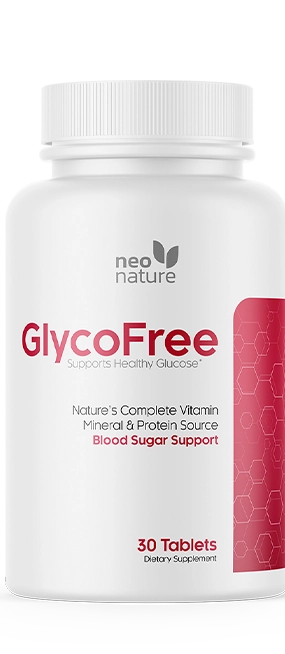
A Focused Two-Part Formula
Many blood sugar supplements pack a long list of ingredients into several capsules a day. The GlycoFree approach is simpler. Each tablet combines chromium, a trace mineral linked to glucose metabolism, with a proprietary blend of seven plant-based ingredients. The brand describes these as premium raw ingredients gathered from various parts of the world, chosen to work together to support healthy blood sugar, energy and overall well-being.
The bottle label sums up the goal in a few words: "Supports Healthy Glucose" and "Blood Sugar Support." The label also calls the product "Nature's Complete Vitamin Mineral & Protein Source." The current version is the brand's new and improved formula, and every bottle holds 30 tablets.
Chromium (as chromium polynicotinate)
400 mcg per serving (reported)Chromium is an essential trace mineral. The NIH Office of Dietary Supplements explains that it enhances the action of insulin, the hormone that helps move glucose from the blood into cells. It also takes part in how the body handles carbohydrates, fats and protein.
Polynicotinate is chromium bound to niacin (vitamin B3), a common form used in supplements.
Proprietary Plant Blend (7 ingredients)
200 mg per serving (reported)The second part of the formula is a blend of seven plant-based ingredients, sourced from around the world and combined to work alongside the chromium.
Because it is a proprietary blend, the individual amounts are not listed separately. The full Supplement Facts panel is printed on every bottle.
Chromium: Why It Is in GlycoFree
Chromium is one of the most studied nutrients in the area of glucose metabolism. The NIH Office of Dietary Supplements and MedlinePlus both describe its role in helping insulin work and in how the body uses the food you eat. That is why it is a common choice in blood sugar support formulas.
It is fair to know what the research says, too. Both NIH ODS and the National Center for Complementary and Integrative Health (NCCIH) describe the evidence for chromium supplements in diabetes as mixed or inconclusive. Some studies show small benefits, others show none. This is one reason GlycoFree is positioned as a daily nutritional support next to healthy habits and your doctor's plan, never as a substitute for treatment.
A reported 400 mcg per serving is a common supplement amount. If you take diabetes medication, or if you have kidney or liver disease, NIH ODS advises talking to your doctor first. You can read more on the GlycoFree side effects and precautions page.
The Seven-Ingredient Plant Blend
The official sales page does not publish the names of the seven botanicals. Some third-party websites list plant ingredients such as cinnamon extract, banaba leaf, berberine, bitter melon and inulin. However, those lists differ from one source to another, and they are not confirmed by the official site. The only reliable source is the Supplement Facts panel on the bottle in your hands.
Plant compounds in general have a long research history in glucose metabolism. Berberine is a good example: several meta-analyses in adults with type 2 diabetes, indexed on PubMed and PMC, have looked at its effect on glucose levels. Researchers still call for larger and longer studies, and the doses used in those trials are often higher than a 200 mg blend could contain. The finished GlycoFree formula itself has not been tested in published clinical trials.
Tip: Read the Supplement Facts panel before your first tablet, especially if you have allergies or take medication. If you are unsure about any ingredient, show the bottle to your doctor or pharmacist.
What You Won't Find Inside
Just as important as what goes in is what stays out. According to the brand, GlycoFree is:
- Non-GMO, made with plant ingredients
- Free from stimulants, so no caffeine buzz or crash
- Non-habit forming, for steady daily use
- An easy-to-swallow tablet, with no powders to mix
It is made in the USA in a GMP-certified, FDA-registered facility. Note that the FDA registers facilities but does not approve or certify dietary supplements.

How to Read Your GlycoFree Label
Check the brand name
Make sure the bottle says GlycoFree and Neo Nature. Similar names like Glyco Harmony, GlycoShield or Glyco Reset are different products.
Find the serving size
The bottle holds 30 tablets. Third-party reports describe one tablet as one serving; always follow the directions on your label.
Look at the chromium line
Chromium is listed on its own with its amount. Add it up with any multivitamin you already take.
Read the blend
The seven plant ingredients are listed under the proprietary blend. Check them for anything you are sensitive to.
Want to know the best way to fit the tablet into your day? See how to use GlycoFree. For the full overview of the formula, benefits and guarantee, visit the main GlycoFree page.
GlycoFree Ingredients: FAQ
What are the main GlycoFree ingredients?
GlycoFree is reported to contain 400 mcg of chromium as chromium polynicotinate plus a 200 mg proprietary blend of seven plant-based ingredients. The full Supplement Facts panel is printed on every bottle.
Does the official website list the plant blend ingredients?
No. The official sales page describes the formula as premium raw ingredients gathered from around the world but does not name the seven botanicals. Lists on third-party sites differ, so check the label on your bottle.
Is the chromium in GlycoFree proven to lower blood sugar?
Chromium helps insulin work, but NIH ODS and NCCIH describe the evidence for chromium supplements in diabetes as mixed. GlycoFree is a dietary supplement designed to support healthy blood sugar, not a treatment.
Does GlycoFree contain stimulants or GMOs?
No. The brand says GlycoFree is non-GMO, contains no stimulants and is non-habit forming. It is made in the USA in a GMP-certified, FDA-registered facility.